engineering.

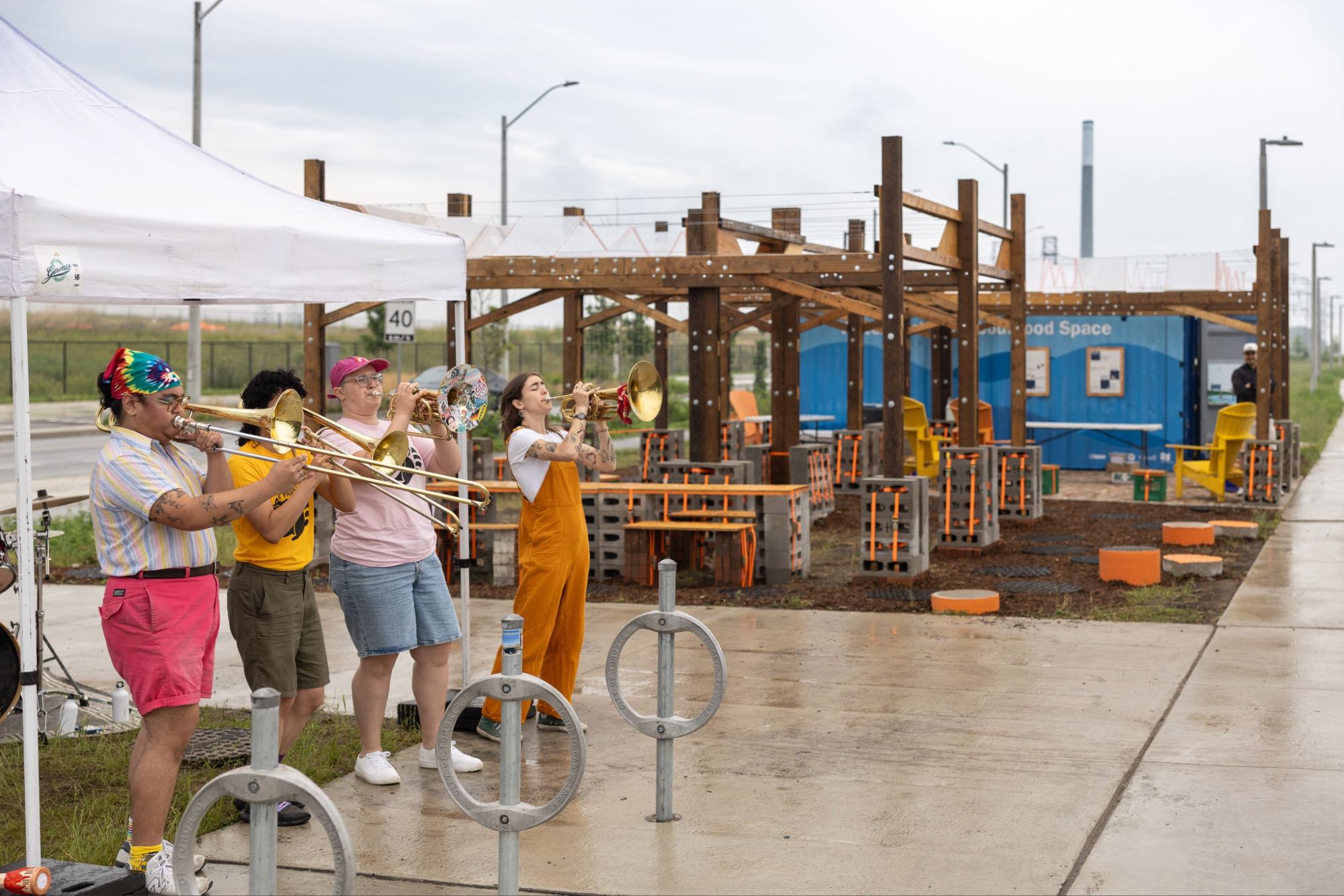
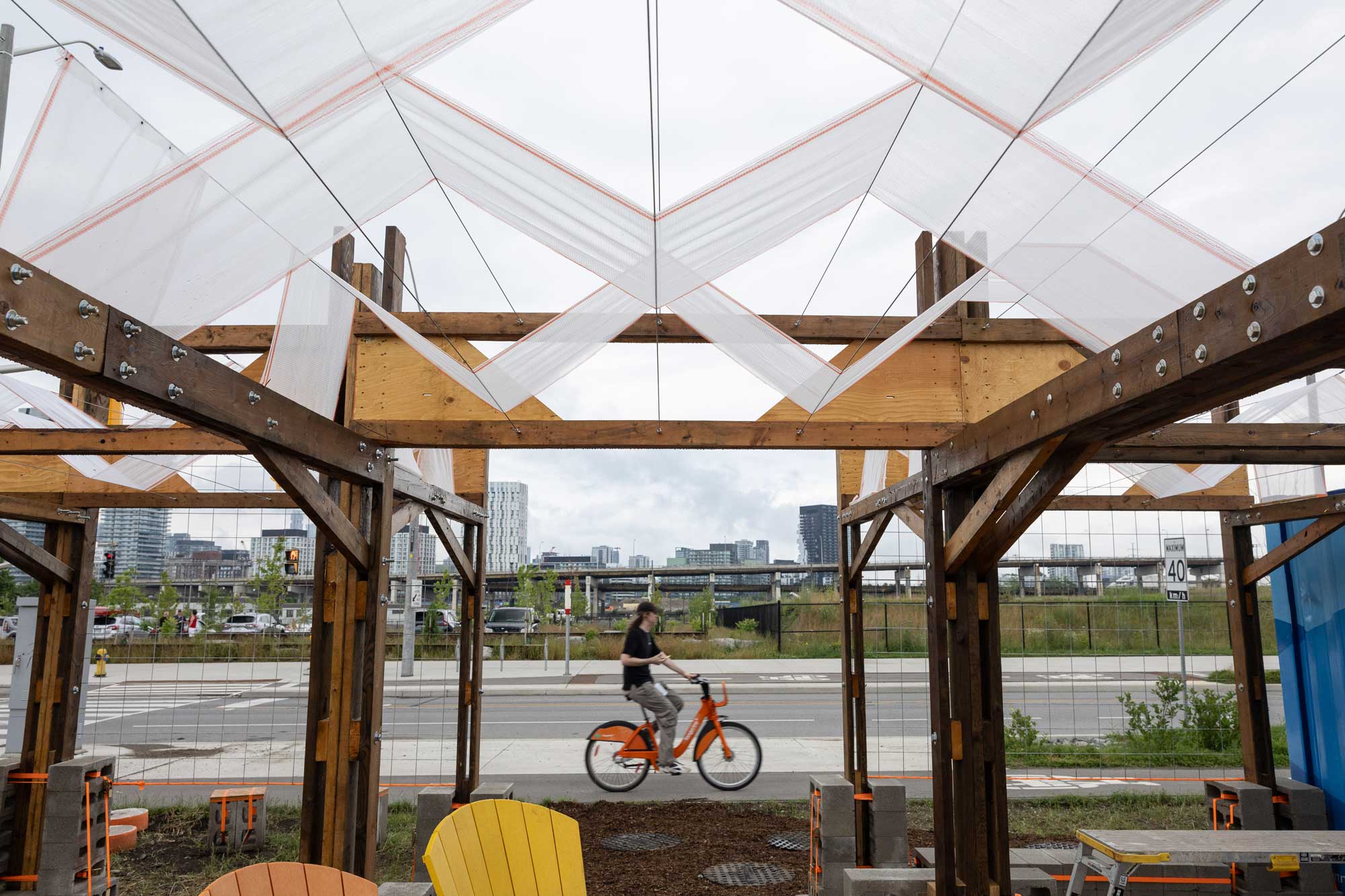
The Waterfront Neighbourhood Space is a temporary community installation located on Ookwemin Minising, Toronto’s newest waterfront island. Positioned within a developing neighbourhood that will eventually become home to thousands of residents, the project provides an early civic destination where visitors can gather, participate in events, relax in the shade and engage with the emerging identity of the waterfront.
Temporary community pavilion transforming reclaimed materials into a flexible waterfront gathering space.
Developed by Waterfront Toronto through its collaboration with C40 Cities’ Green and Thriving Neighbourhoods programme, the project was conceived as a demonstration of how public space can contribute to climate resilience, community wellbeing and resource-conscious development. Rather than treating material reuse as a secondary exercise, the design process was driven by the materials themselves. Available reclaimed elements were identified and catalogued before the architecture and structural strategy were developed around them.
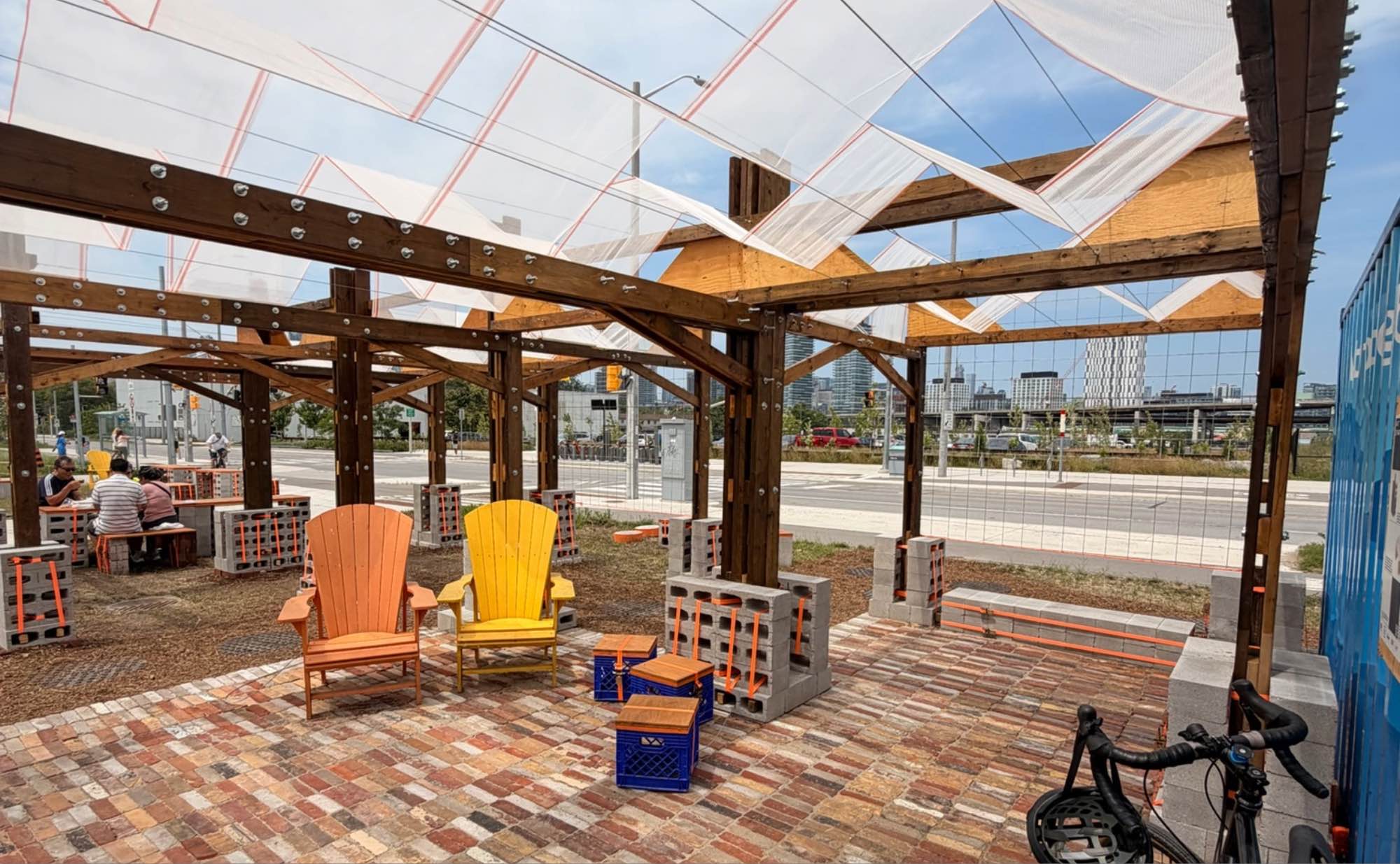
Working alongside GXN, Ha / f Climate Design and Arcana Materials Co., Tyréns AKT contributed to the creation of a lightweight and adaptable structural framework capable of accommodating salvaged timber, reclaimed masonry and other recovered construction materials sourced from projects across Toronto. This approach significantly reduced the demand for new materials while celebrating the unique character and history embedded within reused components.
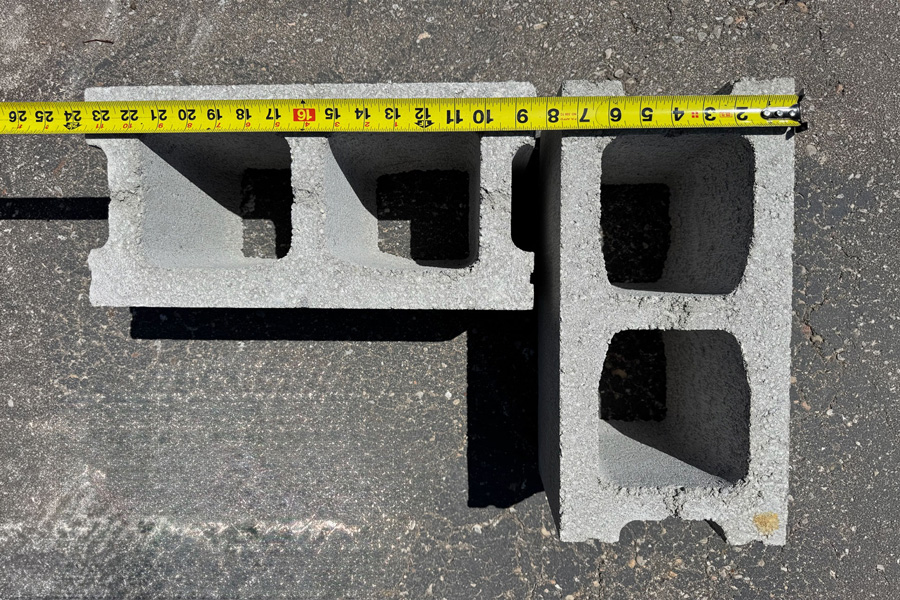
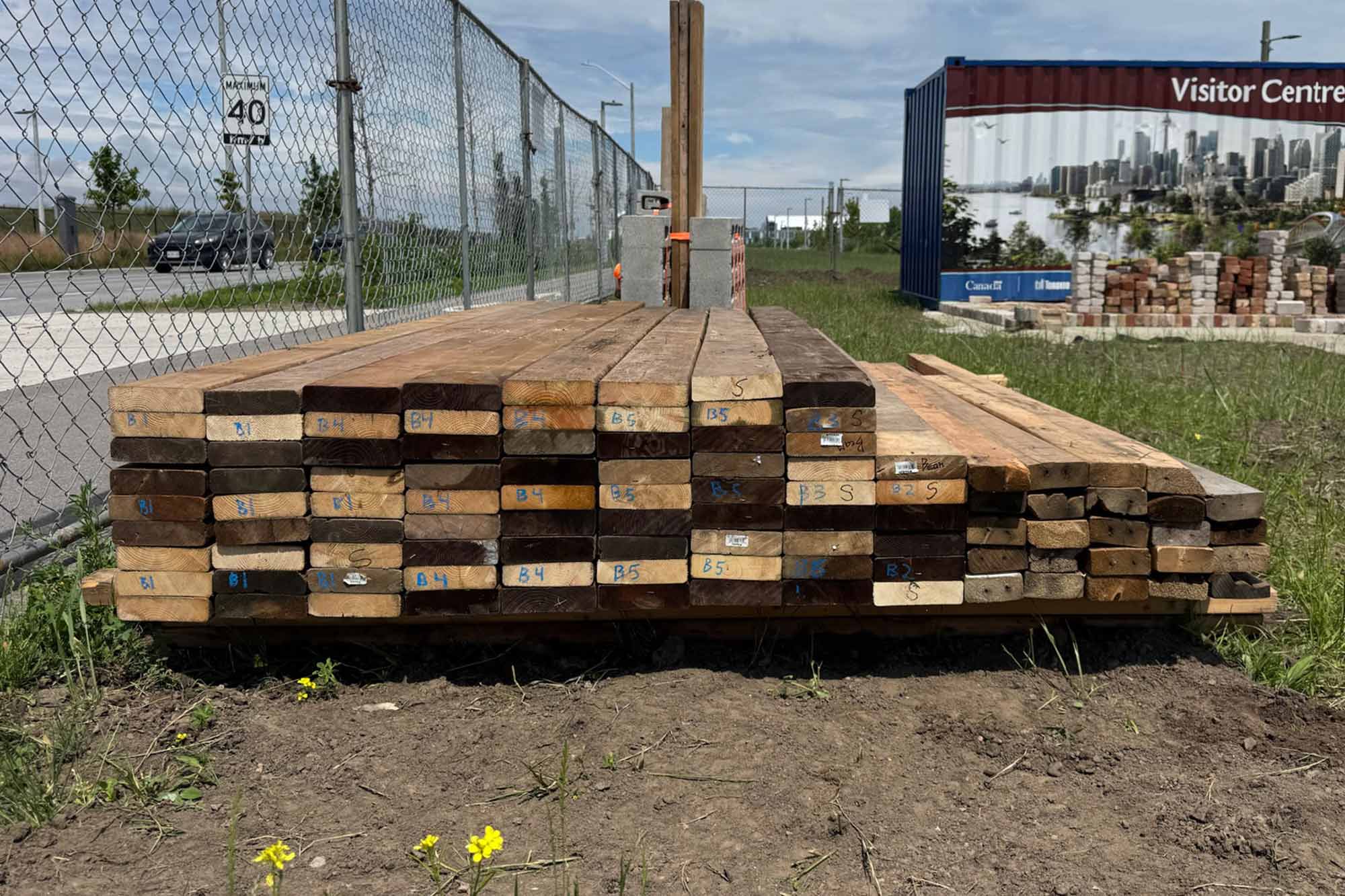
The structure has been designed as a flexible piece of temporary infrastructure that can evolve alongside the neighbourhood. Its components are intended to be adapted, disassembled and reused in future applications, extending the life of the materials beyond the installation itself. This design-for-disassembly philosophy reflects broader circular economy principles and reduces embodied carbon associated with conventional construction.
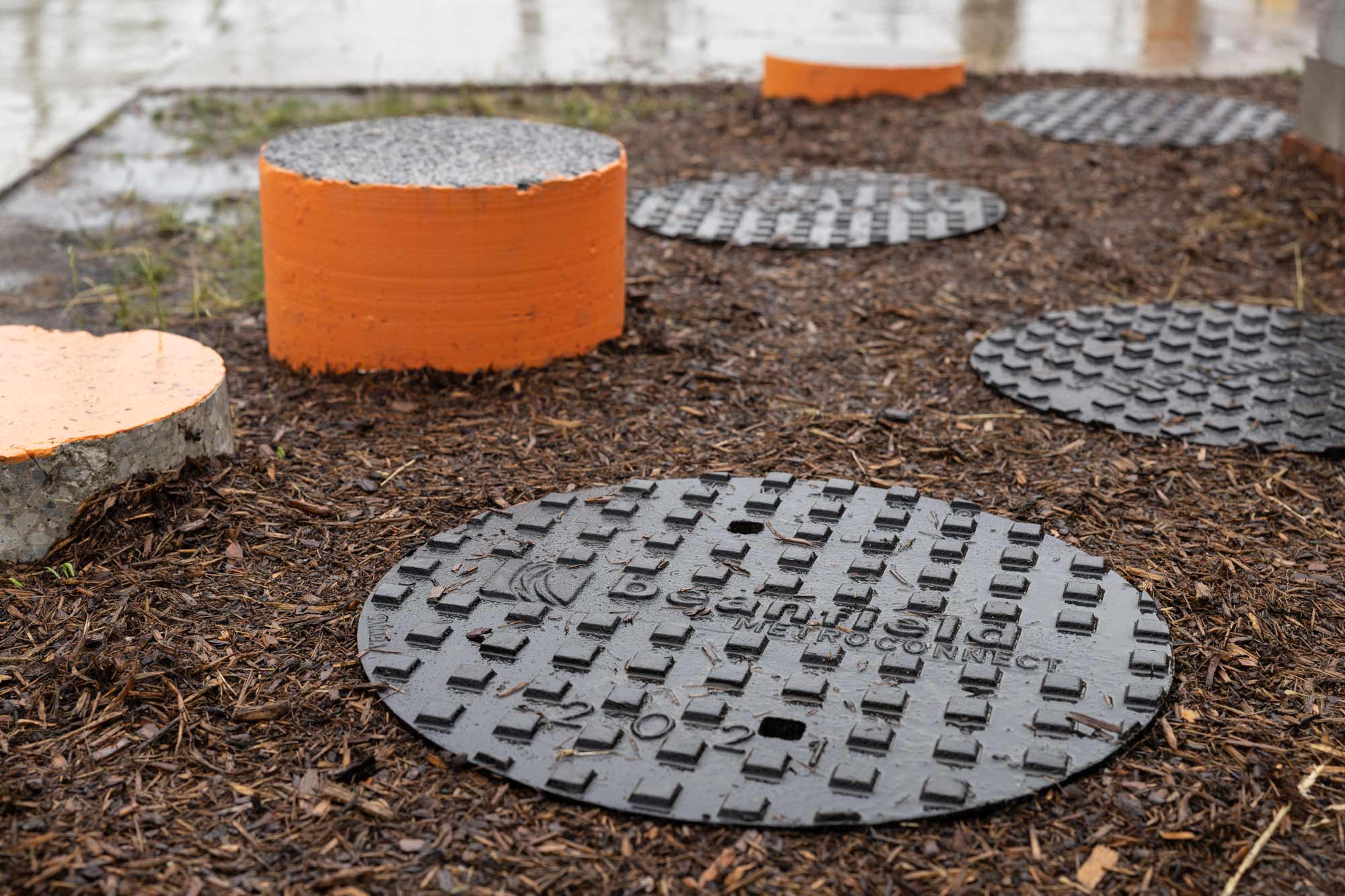
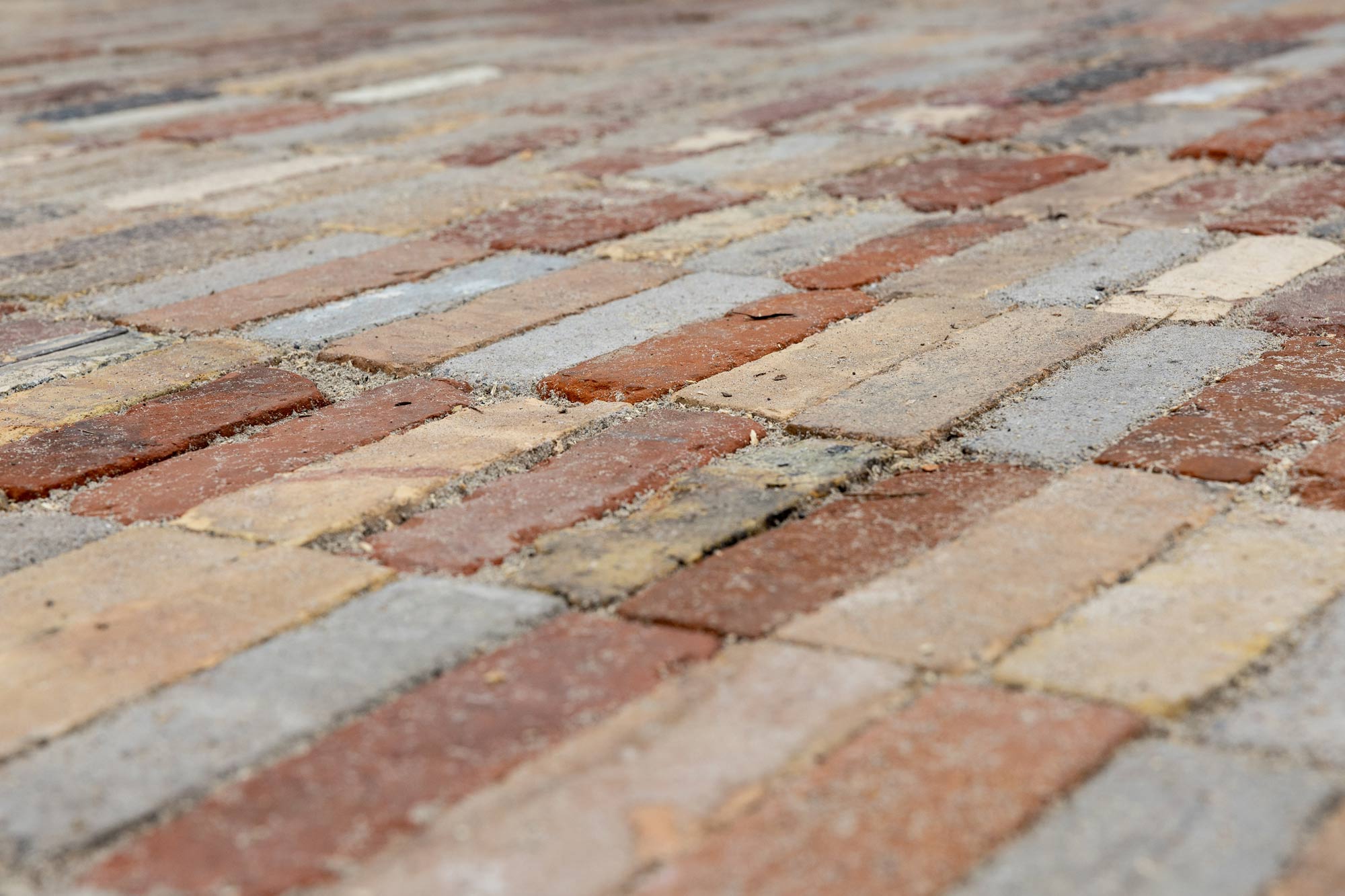
More than a temporary pavilion, the Waterfront Neighbourhood Space serves as a live demonstration of circular design in action. By combining engineering, placemaking and material reuse, the project explores how future public spaces can be built with fewer resources while delivering meaningful social and environmental value.